

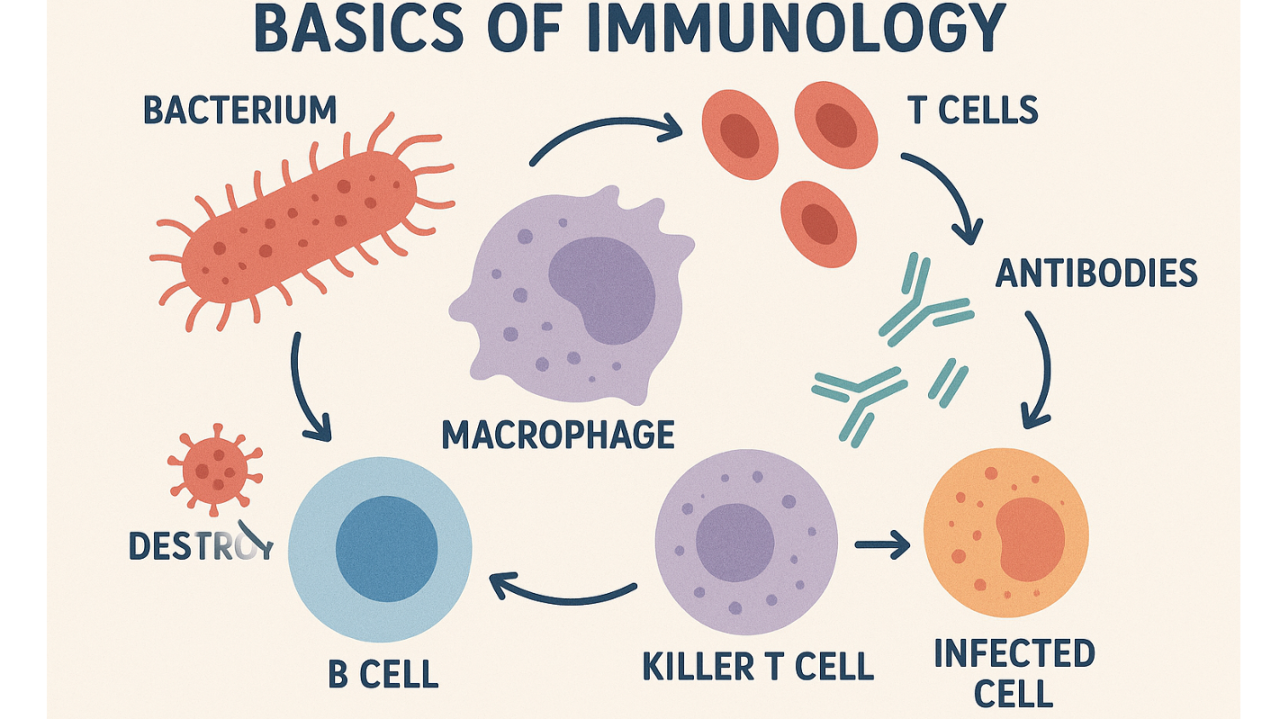
The Invisible Defense Framework That Keeps the Body in Balance
The immune system operates as a sophisticated internal network that helps the body maintain everyday stability. Rather than activating only in moments of illness, it works continuously behind the scenes to monitor internal conditions and respond to environmental changes.
Unlike a single organ, the immune system includes white blood cells, lymphatic tissues, bone marrow, and specialized structures in the gut and respiratory tract. Together, these elements form a coordinated framework designed to preserve internal balance.
The First and Second Lines of Response
Immune activity is commonly divided into two interconnected branches:
Innate immunity acts quickly and broadly. Physical barriers such as the skin and mucous membranes prevent unwanted external agents from entering the body. Specialized immune cells also provide rapid, general responses.
Adaptive immunity provides more targeted support. This branch develops specific recognition patterns and helps the body refine its response over time. It contributes to immune memory and long-term regulation.
Both systems must operate in harmony. Their effectiveness depends not on constant intensity, but on precise timing and coordination.
Ongoing Communication
Immune cells rely on signaling molecules to communicate. These signals determine when to activate responses and when to return to baseline. This regulation prevents unnecessary activity while ensuring readiness.
Understanding these foundational mechanisms highlights how structured and balanced immune function truly is. It is less about aggression and more about intelligent coordination.