

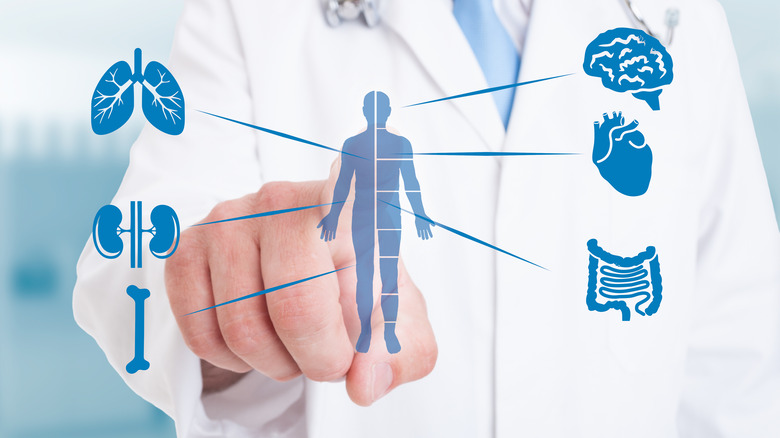
How the Immune System Works in Partnership With the Rest of the Body
The immune system is deeply connected to other physiological systems. It does not function independently; instead, it relies on constant interaction with the nervous, endocrine, and circulatory systems to maintain overall equilibrium.
The Nervous System Connection
The nervous system processes information from the environment and helps coordinate responses. Stress signals, for example, can influence immune communication. Short-term stress is a natural part of adaptation, but prolonged imbalance may affect regulatory pathways.
This relationship demonstrates how emotional and physical states are interconnected.
Hormonal Rhythms and Immune Activity
Hormones act as messengers throughout the body. Daily hormonal fluctuations — influenced by sleep cycles, light exposure, and activity levels — help regulate immune signaling.
Maintaining consistent daily routines can support this natural rhythm.
Circulatory Support
The circulatory system transports immune cells and signaling molecules. Efficient blood flow allows immune components to move where they are needed while maintaining systemic balance.
This highlights the importance of cardiovascular wellness in overall immune regulation.
Inflammatory Balance
Inflammation is a normal biological process that supports protective responses. However, balance is key. The body constantly adjusts inflammatory signals to maintain stability.
A whole-body perspective helps explain why sleep quality, nutrition, stress management, and physical movement all influence immune regulation. The system thrives when the body functions cohesively.